
The Need for Product Destruction in the Healthcare Industry
Proper Disposal & Destruction
In an industry as sensitive and regulated as healthcare, proper disposal and destruction of obsolete or defective products is not just a best practice—it’s a necessity. Whether dealing with medical devices, computer equipment, or healthcare-related consumer products, secure product destruction protects patient safety, safeguards sensitive information, and ensures compliance with environmental and regulatory standards.
Here’s why product destruction is vital for the healthcare sector and how organizations can approach it effectively.
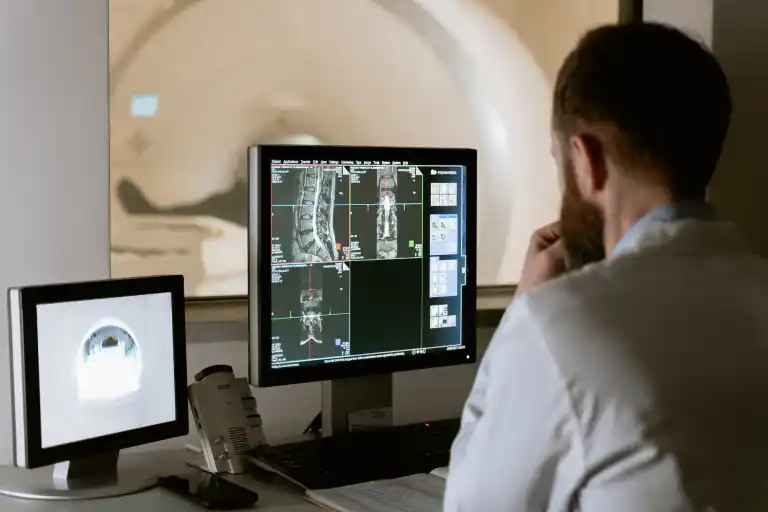
Photo by MART PRODUCTION on Pexels.com
1. Ensuring Patient Safety
Faulty medical devices can pose serious risks if not properly destroyed. When defective products remain in circulation, they can lead to misdiagnosis, improper treatment, or even fatalities. Controlled destruction ensures that these products never find their way into unauthorized hands or the secondary market.
For instance, implantable medical devices that are recalled or past their use date must be rendered unusable to avoid potential harm. Similarly, expired testing equipment can be less accurate, posing significant health risks.
2. Protecting Patient Privacy
Many medical devices and healthcare products, especially those embedded with digital technology, contain sensitive patient data. From pacemakers with telemetry systems to diagnostic imaging equipment, these products store information that is protected under laws like HIPAA (Health Insurance Portability and Accountability Act).
Improper disposal of such devices could lead to data breaches, compromising patient trust and exposing healthcare organizations to significant legal and financial penalties. Secure product destruction includes the complete eradication of all stored data to protect patient privacy.
3. Regulatory Compliance
Healthcare is one of the most heavily regulated industries. Laws such as the FDA’s guidelines on medical device disposal, DEA regulations on controlled substances, and state-level environmental policies mandate proper handling and destruction of healthcare products.
Non-compliance can lead to severe consequences, including fines, legal actions, and reputational damage. Partnering with certified destruction and disposal providers ensures that healthcare organizations stay compliant with all relevant regulations.
4. Mitigating Counterfeiting & Grey Market Risks
Defective or unused products that are not properly destroyed may end up in the hands of counterfeiters or on the grey market. Counterfeit healthcare products not only harm patients but also erode trust in legitimate healthcare brands.
Destruction services that include shredding, incineration, or other irreversible methods help eliminate the risk of products being repurposed or resold.
5. Environmental Responsibility
Many healthcare products, including medical devices and medications, contain hazardous materials such as lithium-ion batteries, electronic components, and chemical substances. Improper disposal of these products can lead to environmental contamination and public health concerns.
Sustainable destruction processes that prioritize recycling and waste recovery help healthcare organizations meet their environmental goals while minimizing their ecological footprint.
Best Practices for Healthcare Product Destruction
- Inventory Management: Maintain a clear record of products earmarked for destruction, ensuring traceability and accountability.
- Partner with Certified Providers: Work with certified destruction services that understand the regulatory landscape and offer comprehensive solutions for healthcare products.
- Secure Chain of Custody: Implement protocols to ensure that products are securely handled from the point of collection to destruction.
- Focus on Data Erasure: For devices with digital components, data destruction must be a priority. Consider services that provide certifications for data erasure.
- Adopt Eco-Friendly Solutions: Where possible, opt for destruction methods that incorporate recycling and reduce environmental harm.
Conclusion
In the healthcare industry, the stakes are too high to overlook the importance of secure product destruction. By prioritizing proper disposal, healthcare organizations can protect patients, comply with regulations, and uphold their reputation as trusted providers of care.
Investing in a robust product destruction strategy is not just about minimizing risks; it’s about demonstrating a commitment to safety, privacy, and environmental stewardship—values at the heart of modern healthcare.