
The Crucial Imperative: Why Medical Device Manufacturers Must Destroy Recalled Devices
Proper Disposal
In the realm of healthcare, patient safety is paramount. Medical devices play a critical role in the diagnosis, treatment, and management of various medical conditions, making their reliability and safety of utmost importance. However, there are instances when a medical device may be found to pose potential risks, leading to recalls. In such cases, the responsible and ethical disposal of these recalled devices becomes imperative. Lets explore the significance of why medical device manufacturers must destroy recalled devices.
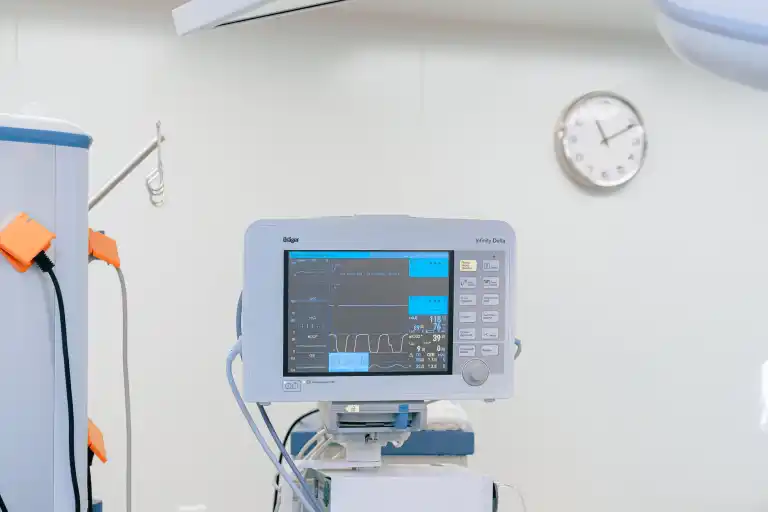
Photo by Anna Shvets on Pexels.com
1. Patient Safety Comes First
The primary reason for medical device manufacturers to destroy recalled devices is to safeguard patient well-being. Recalled devices often carry inherent risks that can compromise patient safety. These risks may range from design flaws and manufacturing defects to software malfunctions. By destroying these devices, manufacturers ensure that they do not re-enter the market through unauthorized channels, preventing potential harm to patients.
2. Regulatory Compliance & Legal Obligations
Medical device manufacturers are subject to stringent regulations and standards imposed by health authorities globally. Regulatory bodies, such as the U.S. Food and Drug Administration (FDA) and the European Medicines Agency (EMA), mandate that manufacturers take swift and appropriate action when a device is found to be defective or poses a risk to public health. Failing to comply with these regulations can lead to severe legal consequences, including fines and damage to the manufacturer’s reputation.
3. Protecting Brand Integrity
Maintaining a strong and positive brand image is crucial for any medical device manufacturer. The reputation of a company is built on trust, and the perception of prioritizing profits over patient safety can be detrimental. By responsibly handling the destruction of recalled devices, manufacturers demonstrate their commitment to the well-being of patients, reinforcing trust among healthcare professionals and consumers alike.
4. Preventing Unauthorized Distribution
Recalled medical devices that are not properly destroyed may find their way into secondary markets through unauthorized channels. This poses a significant threat, as these devices may be used without the knowledge of potential risks associated with their recall. Destroying these devices ensures that they cannot be resold or reused, mitigating the chances of unintended harm to patients.
5. Environmental Considerations
In addition to patient safety and regulatory compliance, there are environmental factors to consider. Many medical devices contain materials that can be harmful to the environment if not disposed of properly. Medical device manufacturers have a responsibility to follow environmentally friendly practices, including the safe disposal of materials. This may involve recycling components where possible and disposing of hazardous materials in accordance with environmental regulations.
Conclusion
The destruction of recalled medical devices is a critical step in ensuring patient safety, complying with regulatory requirements, maintaining brand integrity, and preventing unauthorized distribution. As technology continues to advance and the healthcare landscape evolves, the responsibility of medical device manufacturers to prioritize the well-being of patients remains steadfast. By embracing ethical practices and transparent communication, manufacturers contribute to a safer and more reliable healthcare ecosystem, where patients can trust that their well-being is always the top priority.